Device Choice Shapes Bankroll Tactics During Live Dealer Play
Zara Keller · Nov 6, 2026
Device Choice Shapes Bankroll Tactics During Live Dealer Play
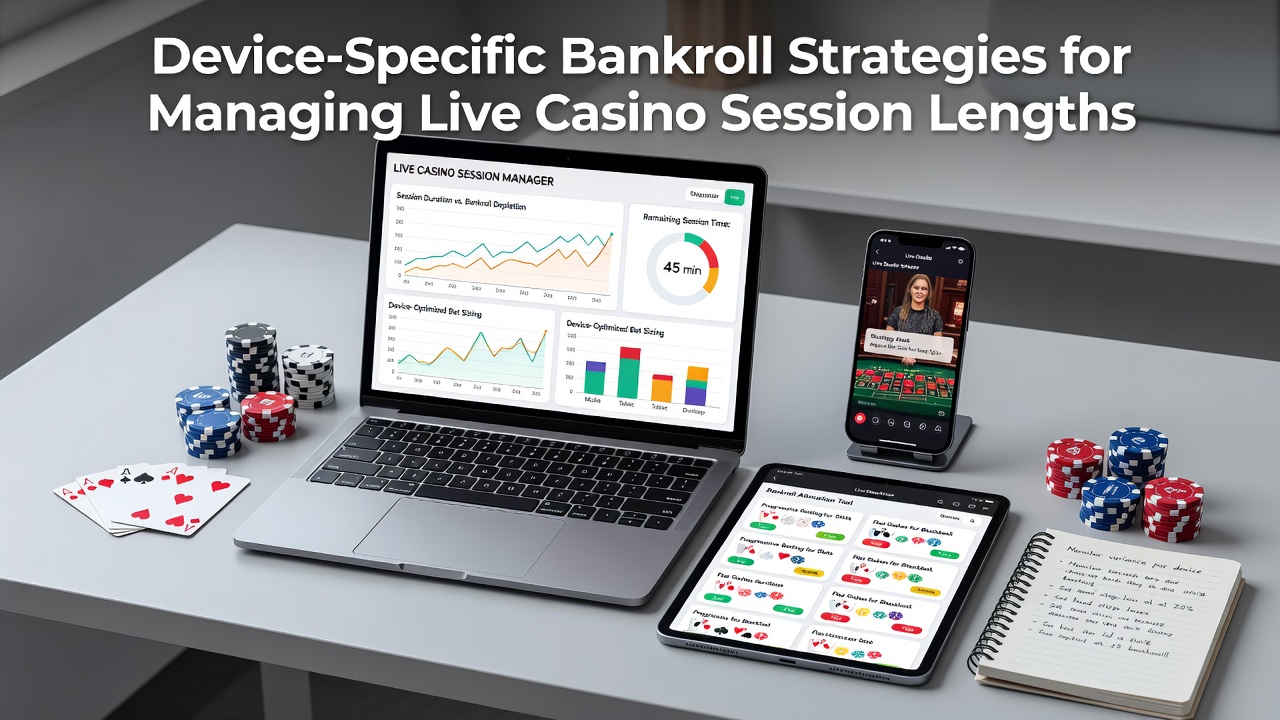
Device type directly affects how players allocate funds and control session duration in live casino environments, and recent data from regulated markets shows clear patterns in behavior across smartphones, tablets, and desktop setups. Mobile interfaces often lead to quicker decision cycles because touch controls and smaller screens limit the visibility of multiple betting options at once, which prompts shorter but more frequent sessions according to tracking reports from several North American operators.
Mobile Devices Demand Tighter Per-Spin Limits
Smartphone users frequently adjust their bankroll into smaller units per hand or spin because screen real estate restricts simultaneous view of bet history and remaining balance, and this adjustment helps maintain control over total exposure during live dealer rotations. Research from the New Jersey Division of Gaming Enforcement indicates that average mobile live blackjack sessions in 2026 ran 22 percent shorter than desktop equivalents, yet players returned to the same game more often throughout the day. Those patterns emerged because mobile notifications and app switching pull attention away from continuous play, forcing participants to set stricter loss thresholds before logging off.
Observers note that many mobile strategies include pre-session timers synced to device battery levels or data usage caps, since live streams consume significant bandwidth and unexpected disconnections can disrupt planned exit points. In November 2026, several platforms introduced optional session reminders tied to mobile operating systems, allowing users to predefine maximum exposure based on time rather than number of hands.
Desktop Setups Support Longer, Data-Rich Sessions
Desktop computers provide larger displays that display full tables, chat functions, and detailed statistics simultaneously, which encourages players to stretch sessions while monitoring multiple variables without losing oversight of their bankroll. Figures from industry reports compiled across Canadian provincial regulators reveal that desktop live roulette participants maintained average session lengths 35 minutes longer than mobile users in comparable stake ranges. The extra screen space lets individuals track dealer patterns or side-bet frequencies more effectively, supporting a more measured approach to increasing or decreasing wager sizes over time.
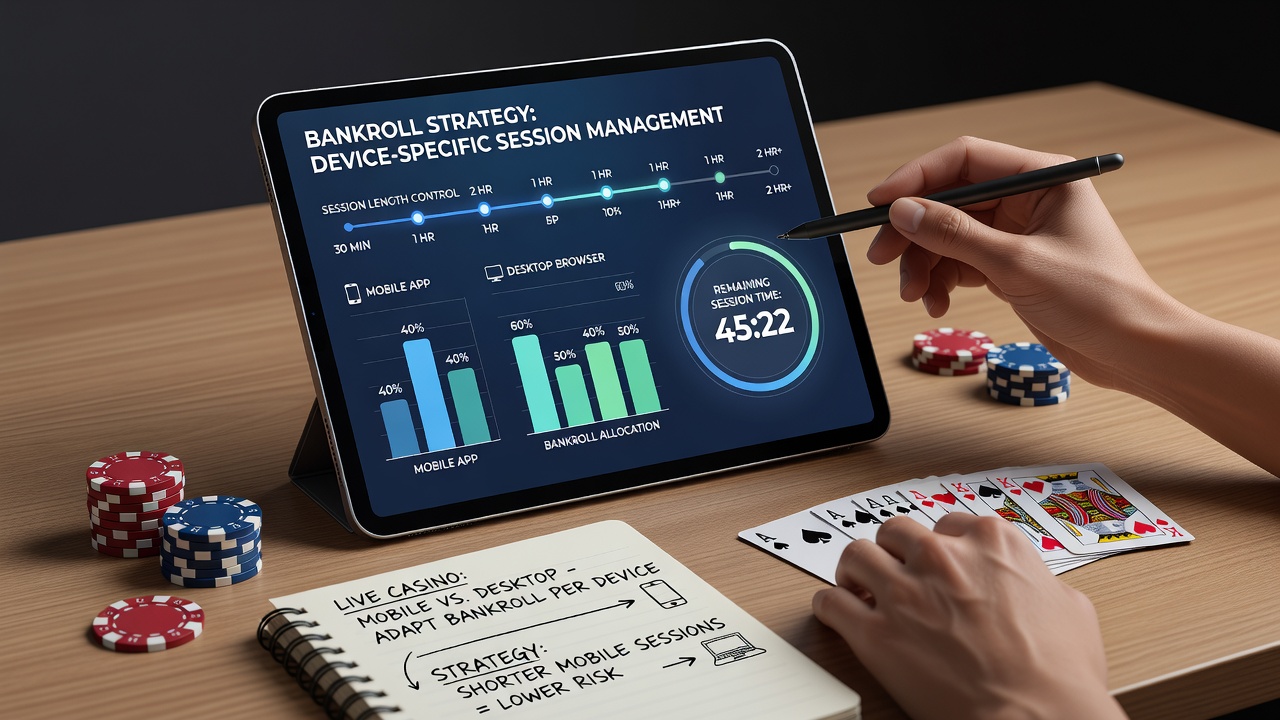
Because desktop environments often connect through stable home networks, players experience fewer interruptions and therefore plan larger overall bankroll reserves for single extended sessions. Data indicates that desktop strategies frequently incorporate spreadsheet-style tracking tools or browser extensions that log every bet outcome, giving users precise information for mid-session adjustments without leaving the live dealer interface.
Tablet Play Falls Between Mobile and Desktop Patterns
Tablets occupy a middle ground where screen size permits decent visibility of game elements while still offering portability that can shorten sessions when users move between rooms or locations. Studies conducted by academic researchers at the University of Nevada, Las Vegas found that tablet users in live dealer games adjusted bet sizes more gradually than smartphone players yet ended sessions sooner than those on full desktop rigs. The hybrid nature of tablets leads many participants to divide their bankroll into two separate pools: one for quick sessions during travel and another reserved for stationary play at home.
Regulatory filings from the Pennsylvania Gaming Control Board show that tablet traffic for live casino products grew steadily through late 2026, with operators noting that these devices encouraged repeat logins rather than single prolonged visits. Players often combine tablet sessions with loyalty program tracking apps that run alongside the live feed, allowing real-time monitoring of comp points earned without interrupting the game flow.
Cross-Device Bankroll Transfers and Session Planning
Many regulated platforms now permit seamless bankroll movement between devices within the same account, yet session length strategies must still account for interface differences that affect decision speed and risk perception. Experts have observed that players who switch mid-session from desktop to mobile frequently reduce their remaining exposure limits to compensate for the change in control precision and information density. This practice helps prevent overextension when visual cues become less detailed on smaller screens.
What's interesting is how device fingerprinting protocols used by operators for security also help track these cross-device patterns, giving platforms aggregated data on how bankroll behavior shifts with hardware. Those insights support the creation of optional tools that suggest device-specific session caps based on historical play data from similar users.
Conclusion
Device-specific bankroll strategies continue to evolve as live dealer technology and player hardware change, and data from multiple jurisdictions shows that session management improves when limits reflect the actual interface being used. Mobile approaches emphasize quick exits and smaller per-bet units, desktop setups favor extended monitoring with larger reserves, and tablets require flexible splits that accommodate both portability and visibility. As operators refine tools that align with these differences, players gain clearer options for maintaining control across varied play environments without relying on generic limits that ignore hardware realities.