Following the Trail of Casino Bonuses Through Layered Cross-Jurisdictional Verification Processes
Nils Roth · Sep 25, 2026
Following the Trail of Casino Bonuses Through Layered Cross-Jurisdictional Verification Processes
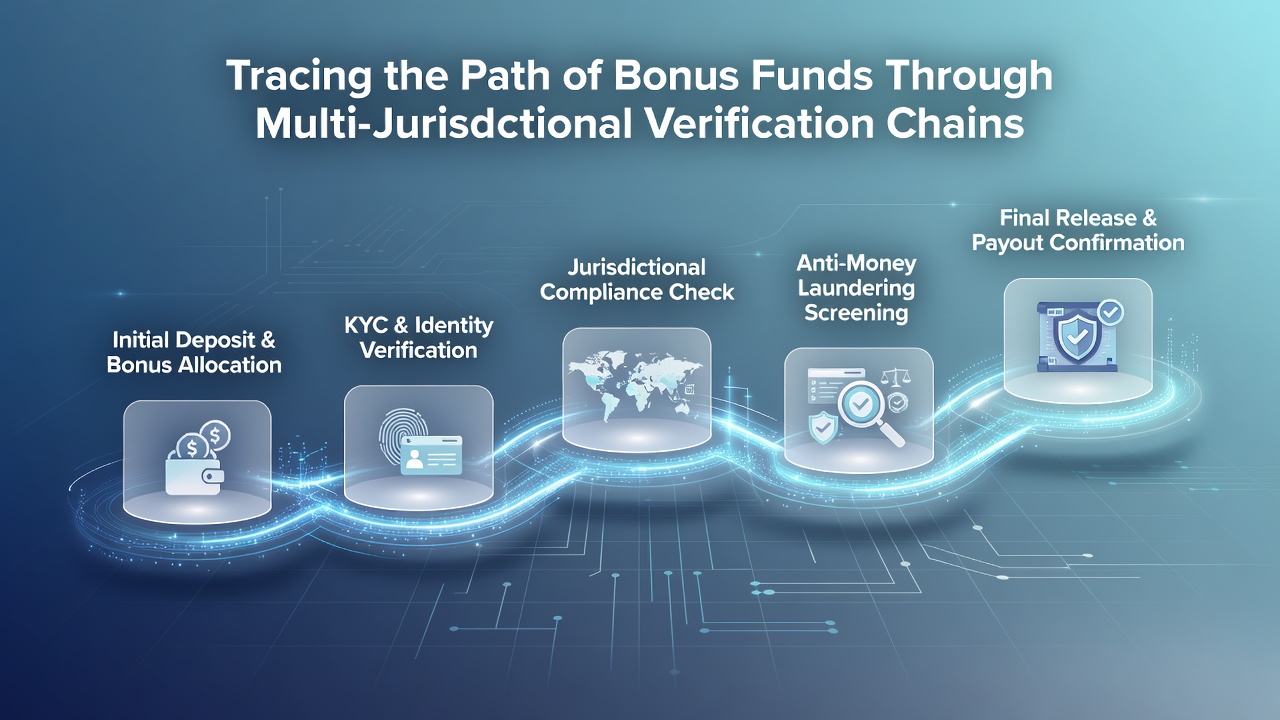
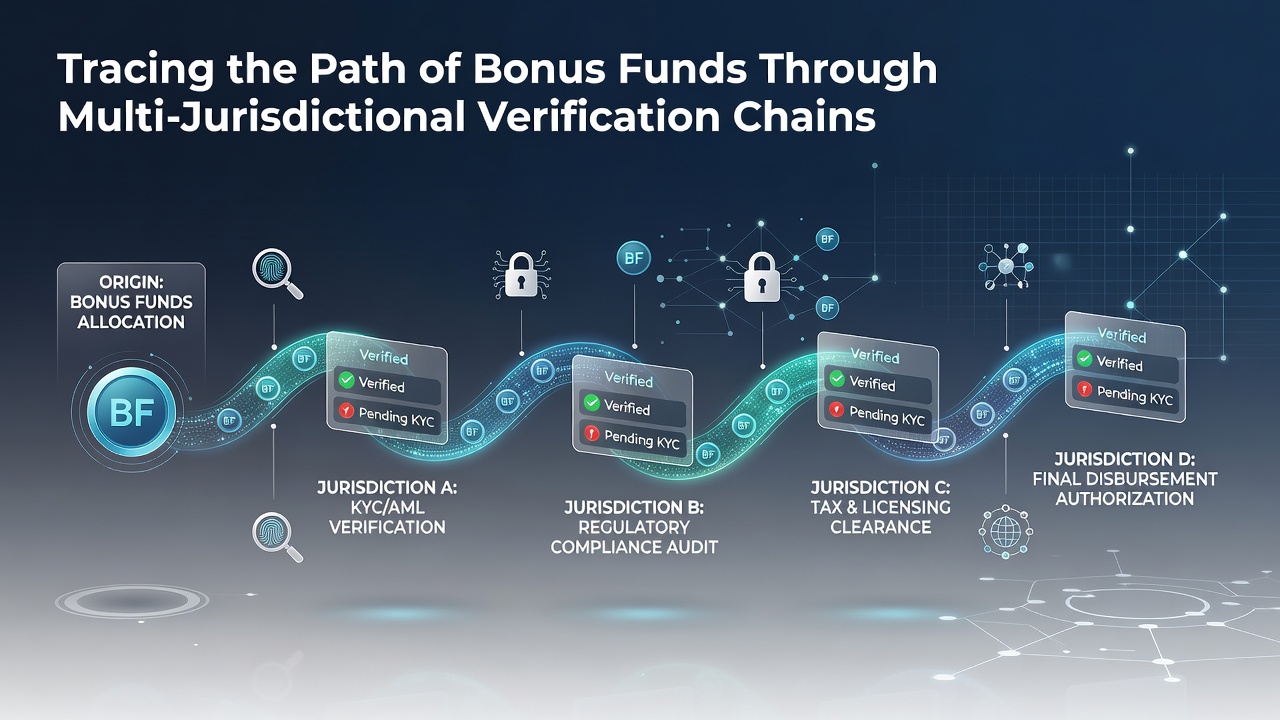
Bonus funds in online gaming environments move through intricate verification sequences that span multiple regulatory zones, where each layer applies distinct compliance protocols before credits reach player accounts. Data from the Pennsylvania Gaming Control Board shows that operators processed over 1.2 million bonus-related transactions in the first half of 2026, with verification steps accounting for the majority of processing delays. Those who've studied these systems note that funds often originate in one jurisdiction yet face additional checks when crossing into another, creating chains that rely on shared databases and automated flags.
Initial Allocation and Local Regulatory Filters
Operators first assign promotional credits under the rules of their primary license, yet even this step triggers automated scans for duplicate accounts and basic eligibility markers. Research indicates that systems in states such as Pennsylvania and New Jersey cross-reference player data against centralized exclusion lists before any bonus balance appears. Experts have observed that this initial filter reduces later disputes, since mismatched records get flagged early and routed for manual review rather than allowed to propagate downstream.
Cross-Border Data Exchanges and Secondary Checks
When a player accesses a platform from a different jurisdiction, the verification chain extends through interstate data agreements that became more standardized after 2024 updates. Figures reveal that these exchanges now occur in real time for most major operators, pulling in tax status, self-exclusion status, and prior bonus redemption history. One study from the University of Nevada Gaming Research Center found that multi-state operators reduced bonus misuse by 18 percent after implementing synchronized verification protocols across their licensed properties.
Additional layers activate when funds involve cryptocurrency conversions or when players hold accounts in both U.S. and international markets. Those monitoring these flows report that conversion barriers often require separate compliance checks under anti-money laundering rules enforced by bodies such as the Alcohol and Gaming Commission of Ontario. The process typically pauses bonus activation until the operator confirms that the incoming funds satisfy both origin and destination jurisdiction standards.
Progressive Jackpot and Loyalty Integration Points
Bonus funds tied to progressive jackpots encounter extra synchronization requirements because eligibility rules differ by state. Data shows that after September 2026 regulatory adjustments, several platforms began routing jackpot contributions through a central clearinghouse before crediting player balances. Observers note that this step prevents duplicate claims when a player qualifies under one license yet attempts redemption under another. Loyalty point systems also feed into the same chain, since point accumulation rates and redemption values must align with each jurisdiction's consumer protection guidelines.
Device and Session Fingerprinting in Verification Chains
Modern verification sequences incorporate device fingerprinting that tracks hardware signatures and session patterns across borders. Researchers discovered that these protocols help distinguish legitimate multi-device play from attempts to circumvent single-account rules. When a session originates from a new jurisdiction, the system compares the fingerprint against prior records and may require additional identity confirmation before releasing bonus funds. This approach has gained traction among operators licensed in both East Coast and Midwest markets, where data-sharing agreements now extend to device-level details.
Case Examples from Regulated Markets
Take one operator active in Pennsylvania and Michigan that implemented a unified verification dashboard in early 2026. Internal reports indicate that bonus fund tracing times dropped from an average of 47 minutes to 12 minutes after the dashboard linked directly to both state databases. Another example involves a platform serving Atlantic City and Ontario players, where currency conversion checks added a mandatory 24-hour hold on certain bonus types until cross-border tax documentation cleared. Those who've analyzed these implementations point out that the added hold reduced chargeback rates without affecting overall player retention metrics.
Conclusion
Bonus fund pathways continue to evolve as regulators refine data-sharing standards and operators upgrade their compliance infrastructure. Evidence suggests that the layered verification chains now in place provide clearer audit trails while maintaining operational efficiency across jurisdictions. Continued monitoring by industry groups and academic researchers will likely shape further refinements to these processes in the coming years.